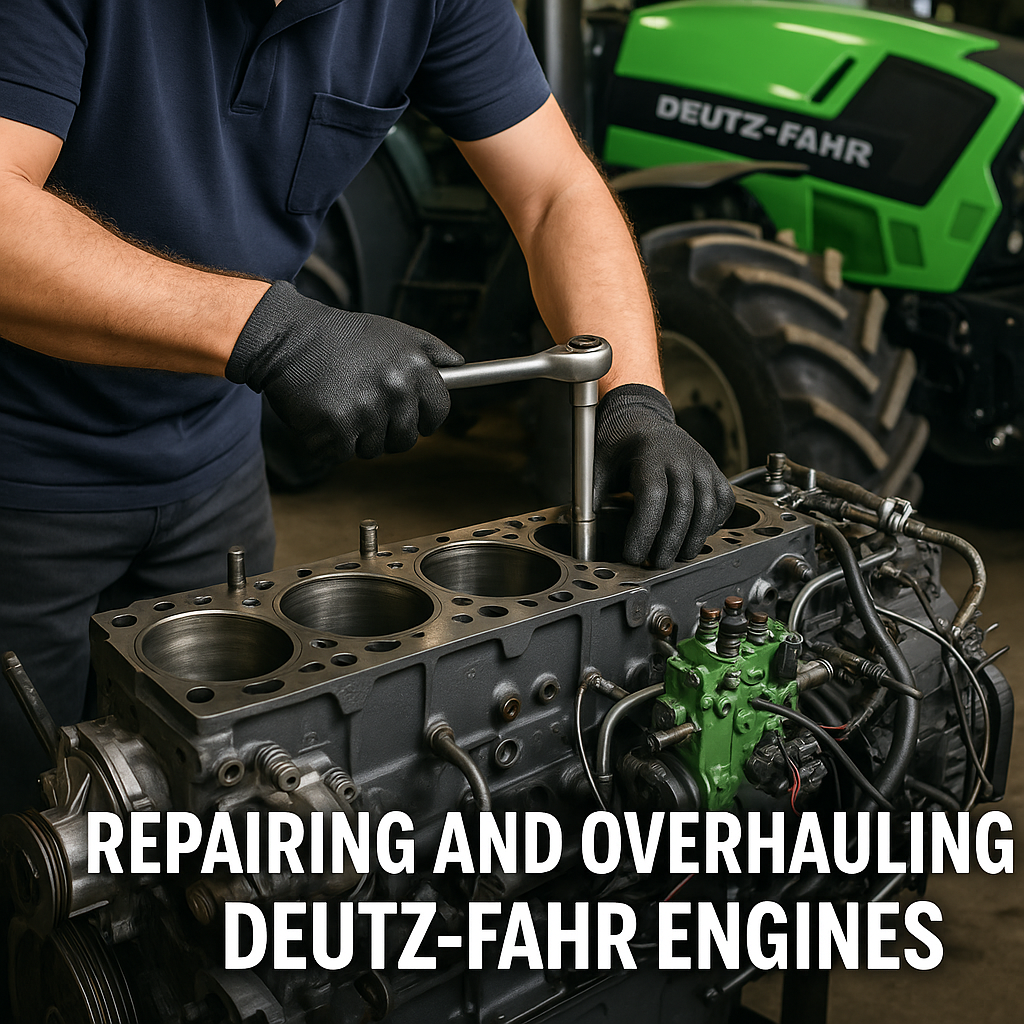
Repairing and overhauling Deutz Fahr engines is a meticulous process that demands precision and adherence to specific guidelines. As these engines power a range of agricultural machinery, their optimal performance is crucial for productivity in the field. Whether it’s routine maintenance or a complete engine overhaul, following the manufacturer’s guidance ensures that the engine functions efficiently and reliably. This article explores the importance of following Deutz Fahr’s guidelines, the necessary tools and equipment for engine repair, step-by-step overhaul procedures, and how to ensure quality and longevity post-repair.
Importance of Manufacturer’s Guidelines
The manufacturer’s guidelines serve as the blueprint for any repair or overhaul of Deutz Fahr engines. These guidelines are meticulously crafted, taking into account the specific engineering and design of the engine. They provide detailed instructions on disassembly, inspection, replacement, and reassembly, ensuring that each component functions harmoniously with the rest. By adhering to these guidelines, technicians can avoid common pitfalls that could compromise engine performance or lead to premature wear and tear.
Ignoring the manufacturer’s guidelines can result in significant issues. For instance, using incorrect torque settings or improper assembly sequences can lead to engine failure or reduced efficiency. The guidelines are designed to prevent such occurrences by providing precise specifications and instructions. For technicians and mechanics, these guidelines are not merely recommendations but essential protocols that ensure the engine operates at its best.
Moreover, the guidelines often include updates and modifications that reflect the latest engineering improvements and technological advancements. By following them, technicians can implement these improvements during repairs or overhauls, thereby enhancing the engine’s performance and longevity. This is particularly important as Deutz Fahr continually evolves its engine designs to meet changing agricultural needs and environmental standards.
For those seeking comprehensive guidance, the Deutz Fahr manual, available at deutz-fahr-manual.com, is an invaluable resource. It provides detailed information tailored to specific engine models, ensuring that technicians have the most accurate and relevant data at their fingertips.
Tools and Equipment for Engine Repair
Repairing and overhauling Deutz Fahr engines requires a specific set of tools and equipment. These tools are essential for performing precise operations, such as disassembly and reassembly, which are critical for a successful repair. Standard tools include wrenches, socket sets, and screwdrivers, but specialized tools such as torque wrenches, micrometers, and dial indicators are equally important for ensuring accuracy and precision.
Torque wrenches are particularly crucial as they ensure that bolts and nuts are tightened to the manufacturer’s specified torque settings. This prevents over-tightening or under-tightening, both of which can lead to mechanical failure. Similarly, micrometers and dial indicators are used to measure components with high precision, ensuring that wear limits and tolerances are maintained according to the manufacturer’s specifications.
In addition to hand tools, certain repairs may require the use of diagnostic equipment. Modern Deutz Fahr engines are often equipped with electronic control units (ECUs) that monitor engine performance and diagnose faults. Diagnostic tools can read these electronic signals, allowing technicians to identify and rectify issues promptly. This integration of technology into engine repair is a testament to the complexity and sophistication of modern agricultural machinery.
The availability of the correct tools and equipment is crucial for any repair or overhaul project. Technicians should ensure that they have access to these tools before commencing any work on Deutz Fahr engines. Resources like deutz-fahr-manual.com can provide further insights into the recommended tools and equipment for specific engine models.
Step-by-Step Overhaul Procedures
The overhaul of a Deutz Fahr engine involves a series of carefully coordinated steps. The process typically begins with a thorough inspection to assess the condition of the engine and identify any components that require replacement or repair. This initial step is critical, as it sets the stage for the entire overhaul process and ensures that all issues are addressed comprehensively.
Following the inspection, the engine is disassembled according to the manufacturer’s guidelines. This involves removing components such as the cylinder head, pistons, and crankshaft. Each part is carefully cleaned, inspected, and measured against the manufacturer’s specifications to determine its condition. Components that are worn or damaged beyond acceptable limits are replaced with genuine Deutz Fahr parts to maintain the engine’s integrity and performance.
Reassembly is the next phase of the overhaul process. This step requires meticulous attention to detail, as each component must be installed in the correct sequence and torqued to the specified settings. The manufacturer’s guidelines provide detailed instructions and diagrams to assist technicians in this process. Proper reassembly is crucial to ensuring that the engine functions efficiently and reliably post-overhaul.
Finally, the overhauled engine undergoes a series of tests to verify its performance and reliability. These tests may include running the engine under various loads and conditions to ensure that it operates within the manufacturer’s specifications. Successful completion of these tests signifies that the engine is ready for service, providing assurance to the owner of its reliability and performance.
Ensuring Quality and Longevity Post-Repair
Ensuring the quality and longevity of a Deutz Fahr engine post-repair involves several key practices. First and foremost, using genuine Deutz Fahr parts during repairs is essential. These parts are designed to meet the exact specifications of the engine, ensuring compatibility and optimal performance. Counterfeit or substandard parts can lead to premature failure and reduced engine life.
Regular maintenance is another critical factor in prolonging the life of an overhauled engine. This includes routine oil changes, filter replacements, and inspections. Following the maintenance schedule outlined in the manufacturer’s guidelines helps prevent issues before they develop into major problems, ensuring the engine remains in peak condition.
Additionally, keeping accurate records of repairs and maintenance can be invaluable. This documentation provides a history of the engine’s service life, allowing technicians to identify patterns and potential issues. It also serves as a reference for future repairs or overhauls, ensuring consistency and continuity in maintenance practices.
Finally, continuous education and training for technicians are crucial in maintaining the quality of engine repairs. As Deutz Fahr engines continue to evolve with advancements in technology, staying updated with the latest repair techniques and guidelines is essential. Resources such as deutz-fahr-manual.com offer valuable information and updates that can aid technicians in their ongoing education and practice.
Repairing and overhauling Deutz Fahr engines is a complex process that requires strict adherence to the manufacturer’s guidelines, the right tools and equipment, and a systematic approach to overhaul procedures. By ensuring quality and longevity post-repair through the use of genuine parts and regular maintenance, technicians can maximize the performance and reliability of these engines. With the agricultural industry’s reliance on efficient machinery, the importance of skilled engine repair and overhaul cannot be overstated. For those seeking detailed information on specific engine models, deutz-fahr-manual.com offers comprehensive resources and guidance.